
Sometimes You Need to Dig
Some problems can’t be fixed with trenchless rehabilitation alone
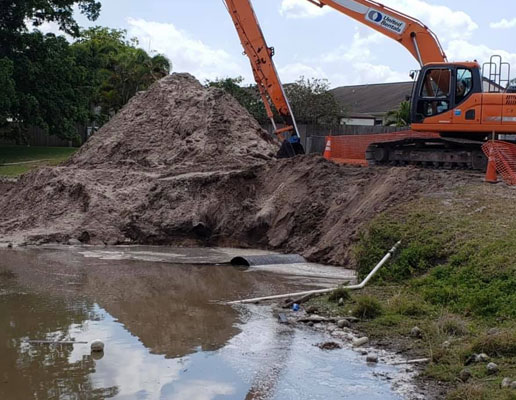
When pipes are too damaged for lining, when drainage can’t handle current flow, or when systems need expansion beyond their original design, excavation and civil construction become necessary. The risk isn’t choosing open-cut methods — it’s delaying them until emergencies force rushed, expensive responses that disrupt operations far more than planned upgrades.
Planned Upgrades > Emergency Excavations
Restore Control. Prevent Failure.
Shenandoah’s civil and drainage enhancement services address what trenchless methods can’t: pipe replacement, capacity upgrades, drainage modifications, tide control valve installations, and canal restoration. Planned correctly, these projects deliver permanent improvements without the disruption and cost of emergency failures.
Complete System Enhancements For Real World Conditions
We upgrade infrastructure to handle demands the original design never anticipated — higher flows, increased loads, sea level rise, and development that changed drainage patterns. We restore function and enhance capacity, giving systems the performance margins they need for long-term reliability.
The Full Spectrum of Solutions
Our integrated approach eliminates the gap between diagnosis and permanent fix. Inspection data drives civil scope development. Engineering expertise sizes replacements correctly. Field crews execute work that stands up to decades of service. One team coordinates from assessment through completion, delivering solutions that match problems instead of patching symptoms.
Civil & Drainage Improvements Built for Long-Term Performance
Shenandoah supports municipalities and asset owners with civil and drainage enhancement services that correct system limitations, expand capacity, and reduce flood risk.
Pipe Removal & Replacement: Permanent Solutions for Pipes Beyond Repair
When Excavation Is the Answer
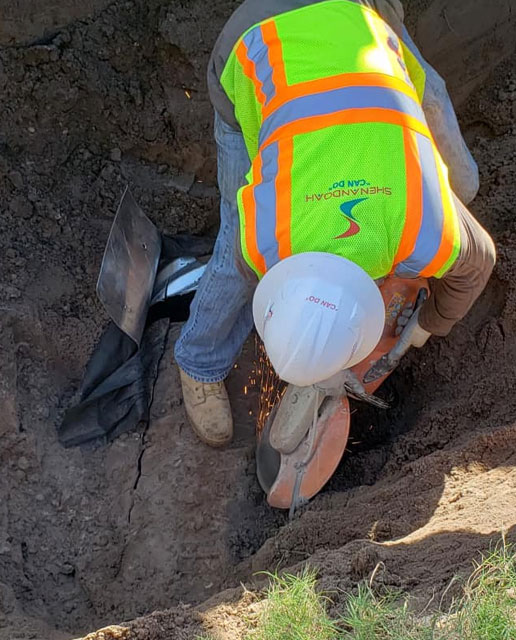
Collapsed pipes, severely misaligned sections, and infrastructure damaged by soil movement don’t respond to trenchless methods. Open-cut construction removes failed pipe and installs new lines properly bedded, aligned, and spec’d to current standards, eliminating recurring failures that partial fixes can’t prevent.
Why Complete Replacement Matters
Permanent Fixes That Stop Recurring Problems
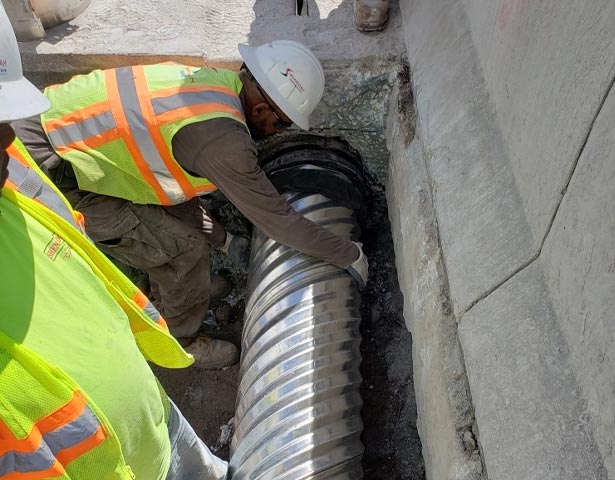
Attempting trenchless repairs on pipes that require replacement wastes capital on temporary patches that fail within months. Replacement addresses root causes, delivering infrastructure built to modern standards with service lives measured in decades. Projects complete faster than repeated emergency repairs, restoring full system capacity and eliminating the liability of deteriorating lines.
When Replacement Is Essential
Conditions That Require Open-Cut Construction
- Collapsed or Crushed Pipe: Structural failure that blocks trenchless access and prevents liner installation.
- Severe Misalignment: Off-grade sections that cause recurring blockages and limit effective cleaning or rehabilitation.
- Undersized Infrastructure: Pipes unable to handle current flow, requiring larger replacements to prevent chronic backups.
- Extensive Root Damage: Infiltration so severe that joints separate and pipe integrity fails across entire runs.
Drainage System Modifications & Enhancements: Upgrade Capacity Before Systems Fail
When Original Design Falls Short
Persistent flooding at specific locations signals drainage systems that can’t manage current runoff. Development changes flow patterns. Impervious surfaces multiply. Climate shifts increase storm intensity. Infrastructure designed for conditions that no longer exist fails under demands it was never meant to handle, creating liability, damaging property, and forcing reactive repairs.
Solving Problems Existing Systems Can’t Handle
Modifications That Restore Function
Drainage modifications target specific failure points with engineered solutions that integrate with existing systems and boost performance without wholesale replacement. CCTV inspection and hydraulic analysis identify exactly where modifications deliver maximum impact, ensuring upgrades solve problems rather than relocating them.
Common Enhancement Applications
- Capacity Upgrades: Install larger pipes or added drainage where existing systems can’t handle peak flows.
- Inlet Additions: Add catch basins or inlets to eliminate persistent ponding after rainfall.
- Flow Modifications: Adjust grades, add junctions, or reroute drainage to remove bottlenecks and improve conveyance.
- Tide Control Installation: Install backflow prevention where tidal influence causes flooding at stormwater outfalls.
Tide Control Management: Prevent Tidal Backflow Before It Floods Streets
When Gravity Systems Work in Reverse
Coastal stormwater systems built decades ago often discharge above historical tide levels. As seas rise, high tides reach outfalls, allowing seawater to enter drainage pipes, create backpressure, and force groundwater up through the system. Streets flood as tidal influence pushes water where it doesn’t belong. Without tide control, infrastructure designed to remove water becomes a pathway for it.
Automated Backflow Prevention
Valves That Stop Reverse Flow
We select and install rubber duckbill, flap gate, or other differential-pressure designs that automatically open to discharge runoff and seal when tides rise. These flexible, self-cleaning devices pass debris and sediment as water flows, preventing the clogging and failure common with rigid mechanical check valves.
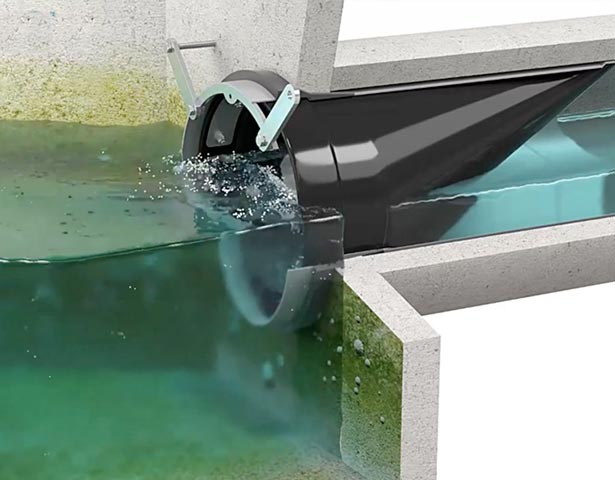
Backflow Control Where It Matters Most
- Tidal Flooding Prevention: Stop seawater intrusion in coastal drainage systems where rising tides compromise outfall function.
- Odor Control: Seal sewer and stormwater outfalls against gases migrating upstream from waterways and marsh areas.
- Cross-Connection Protection: Prevent contamination where stormwater and sanitary systems discharge near each other into shared waterways.
Canal Bank Restoration: Clear Conveyance, Prevent Blockages
When Overgrowth Creates Flooding Risk
Canals convey stormwater from communities to waterways, but only when vegetation doesn’t block flow. Overgrown banks shed trees and debris into channels during storms, creating dams that prevent drainage and flood roadways and properties. Unchecked growth accelerates erosion, undermines adjacent infrastructure, and reduces capacity until systems can’t handle even moderate rainfall.
Restoration That Maintains Capacity
Clearing That Protects Function
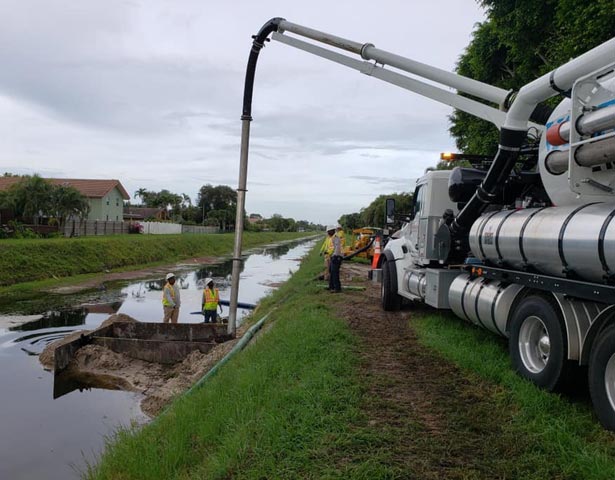
Our canal bank restoration services remove vegetation and debris that compromise conveyance, stabilize eroding slopes, and maintain clear channels for reliable stormwater flow. Work prevents blockages before storms arrive, eliminating the emergency excavation required when fallen trees and accumulated debris create flooding during rainfall.
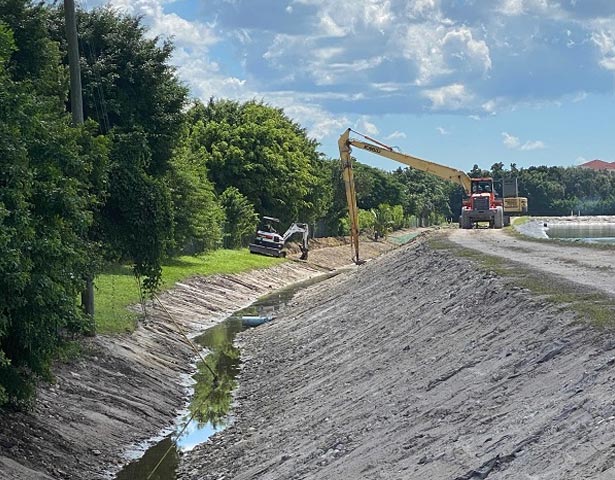
Why Proactive Clearing Matters
Regular restoration cycles keep canals functioning as designed, protecting communities from drainage failures that stem from deferred maintenance.
- Maintain Flow Capacity: Remove vegetation before it obstructs channels during peak storm events.
- Protect Infrastructure: Prevent erosion and undermining that threaten roadways, utilities, and nearby structures.
- Reduce Emergency Response: Address blockages proactively instead of reacting during active flooding.
Civil and Drainage Enhancements Done Right
Explore how Shenandoah delivers permanent fixes that restore function and upgrade capacity.
Tap Into Total Peace of Mind
When you know you have an all-in-one partner who has your back (and your infrastructure), you face the future with confidence.