Aging sewer and stormwater infrastructure rarely fails all at once. A catch basin fills slowly with sediment. A joint separates. Roots enter a pipe. A culvert loses capacity one storm at a time. By the time a backup, washout, sinkhole, or flooding complaint reaches the surface, the underlying condition may have been developing for years.
For municipal leadership, the challenge in 2026 is not simply knowing that infrastructure aging exists. It is knowing which assets pose the greatest operational, financial, and public-safety risk, and acting on that risk before a manageable condition becomes an emergency.
Aging Systems Demand Better Visibility
Sewer mains, storm drains, culverts, laterals, and related structures often operate out of sight and out of mind. Yet these systems support public health, transportation, development, and environmental compliance every day.
National conditions reinforce the need for proactive attention. The American Society of Civil Engineers gave U.S. wastewater infrastructure a D+ and stormwater infrastructure a D in its 2025 Infrastructure Report Card. The report identifies aging systems and vulnerability to natural hazards as persistent pressures across infrastructure sectors.
For public works directors and utility managers, not every asset needs immediate replacement. However, organizations often lack reliable condition data to distinguish a routine maintenance need from a high-consequence failure waiting to happen.
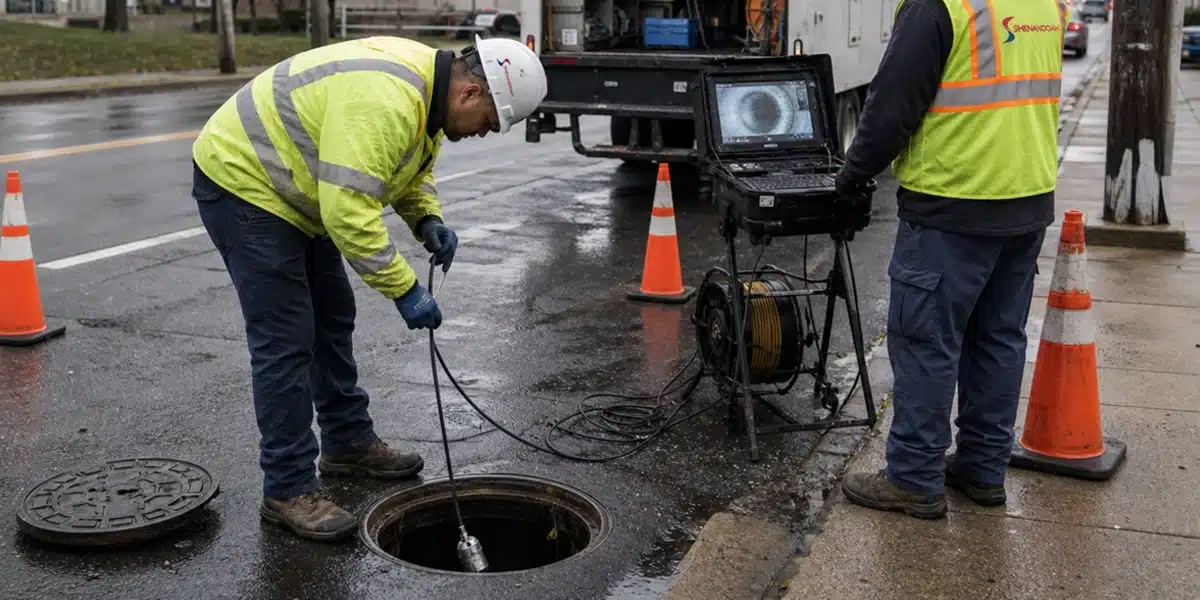
CCTV inspection can provide that visibility. It helps teams inspect pipes and structures, document defects, identify blockages and root intrusion, and prioritize work based on actual conditions rather than assumptions. When paired with accurate records, inspections can turn scattered observations into a more defensible maintenance strategy.
Capital Planning Starts With Asset Condition
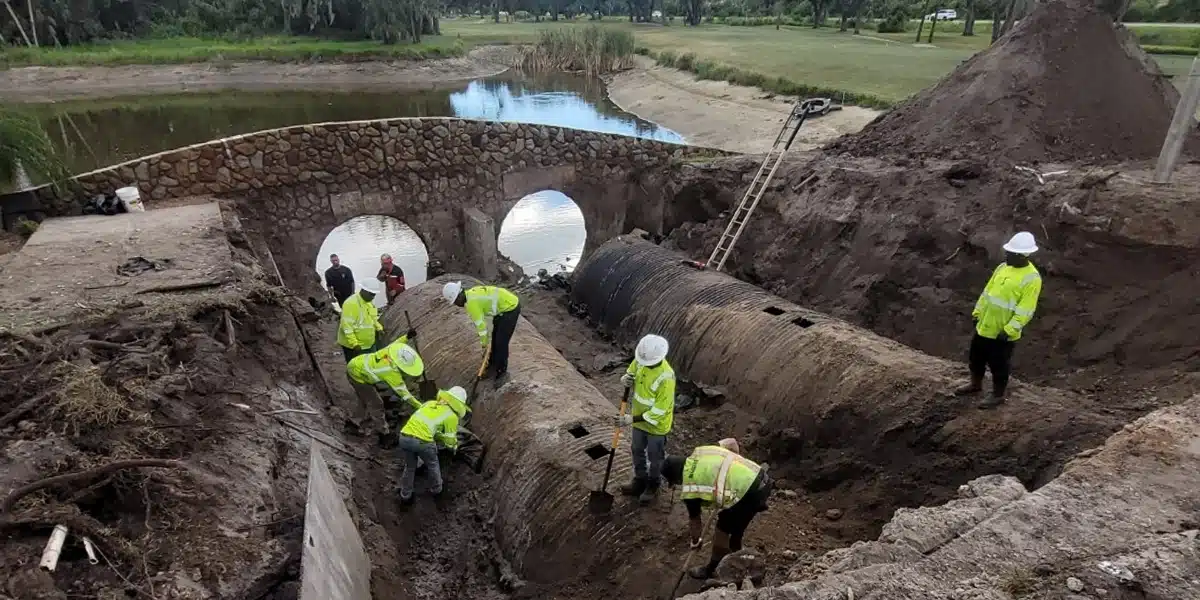
Capital planning becomes harder when leaders must make decisions with incomplete information. Age alone does not tell the full story. A newer pipe may be compromised by poor installation, soil movement, heavy loading, or utility conflicts. An older asset may remain serviceable with targeted cleaning, rehabilitation, or stabilization.
The U.S. Environmental Protection Agency describes asset management as a process that includes inventorying critical assets, evaluating condition and performance, and developing plans to maintain, repair, replace, and fund those assets. Its framework asks utility leaders to understand current asset condition, required service levels, criticality, life-cycle cost, and long-term funding strategy.
Utility Maintenance Is Risk Management
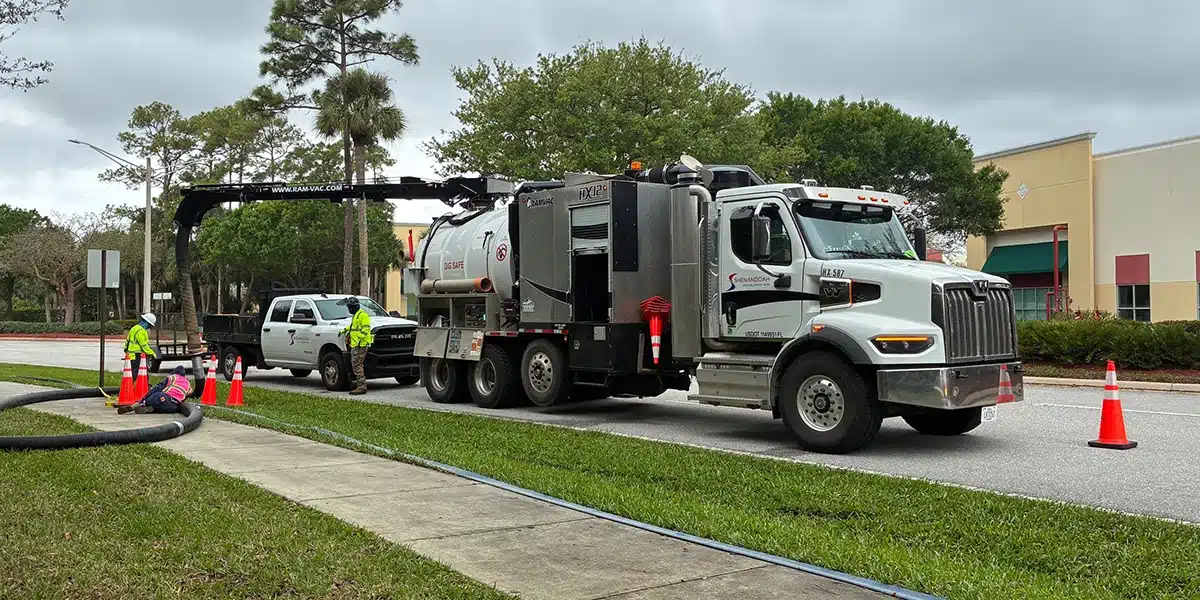
Routine cleaning remains one of the most practical ways to protect system capacity. Removing debris, sediment, grease, and other obstructions can help crews maintain flow before wet weather exposes a restriction. Inspection after cleaning can then reveal structural issues that debris may have concealed.
Municipal leaders should also account for risks beyond pipe deterioration. Cross bores, for example, occur when a utility line intersects an existing sewer pipe. A gas-line cross bore can create a serious safety hazard, particularly during routine sewer cleaning. Proactive inspection of mains and laterals can help utilities identify these conflicts, document findings, and protect crews and residents.
One Accountable Partner, Fewer Handoffs
Infrastructure aging creates enough complexity without requiring municipal staff to coordinate separate providers for cleaning, CCTV inspection, condition assessment, rehabilitation, and restoration.
Shenandoah brings those capabilities together under one accountable team. From cleaning and CCTV inspection to CIPP, SAPL, stabilization, and trenchless rehabilitation, Shenandoah helps municipalities assess conditions, prioritize risk, and restore critical infrastructure with less friction between project phases.
Ready to get a clear picture of your stormwater system? Contact Shenandoah today to find out what is happening inside your infrastructure.