If you’ve ever watched a storm roll in off the Gulf and thought “we’re not ready for this,” you already know the pressure that comes with hurricane season in Florida. For municipalities, utility crews, and contractors, the chaos after a major storm makes it tough to get underground infrastructure back online quickly without making things worse.
That’s where hydro excavation comes in. In this blog, you’ll learn exactly what it is, why it’s the only safe way to dig after a hurricane, and how getting familiar with it before a storm hits could save your crew from a very expensive mistake.
What is Hydro Excavation?
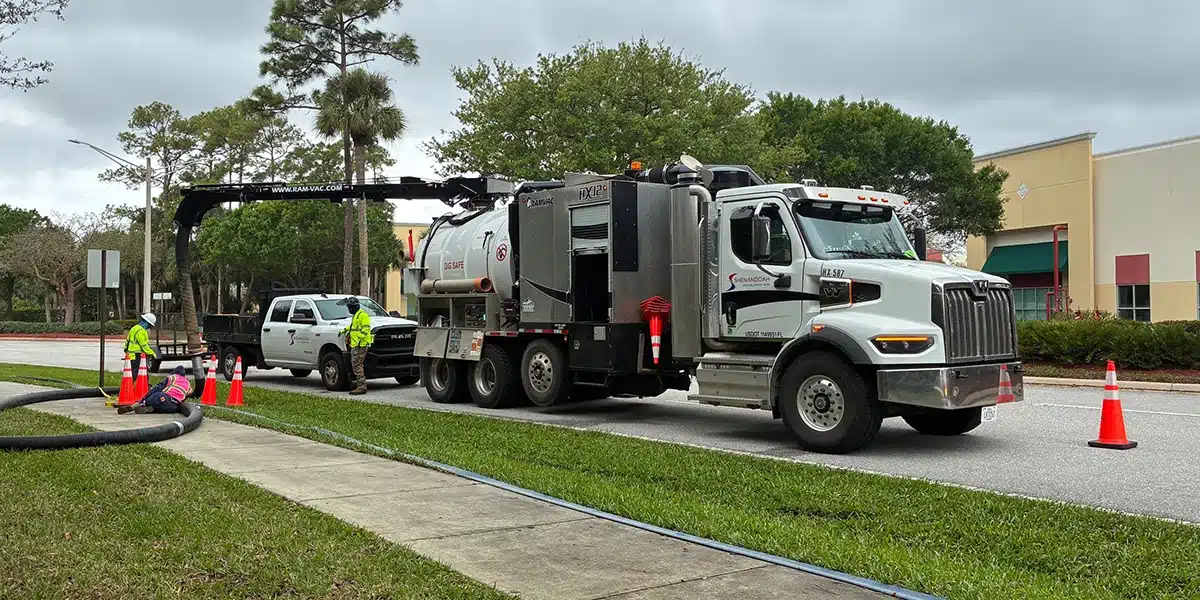
Think of hydro excavation as digging with water and a giant vacuum instead of a backhoe.
High-pressure water breaks up the soil, and a vacuum truck pulls the material up and stores it on board. The result is a precise, controlled excavation that doesn’t tear through whatever’s underground. Unlike with traditional methods, there is no risk of damaged gas lines, severed fiber cables, or accidental utility strikes that shut down a whole project.
Hydro excavation goes by a few names–soft digging, non-destructive excavation, vacuum excavation–but the idea is the same. You get eyes on what’s underground without gambling on what’s there.
Why Traditional Digging Falls Apart After a Hurricane
The procedure before you can dig anywhere in the U.S. is to call 811 so that utilities can be marked with spray paint on the ground. It’s the law, and it’s there for a reason.
After a hurricane, when chaos ensues, that system breaks down completely.
Nobody’s out there in three feet of standing water marking gas lines. Utility records go from “incomplete” to “useless” fast. Yet the pressure to restore power to hospitals, clear flooded roads, and set new utility poles doesn’t stop just because the storm passed. If you send a traditional excavator into that environment, you’re risking a fire, a gas leak, or knocking out the exact infrastructure you’re trying to restore.
For example, let’s say a utility crew is rushing to restore power to a hospital after a major storm. The roads are flooded, records are unavailable, and there’s no time to wait for locate services. A traditional excavator goes in and clips a gas main. Now, instead of one emergency, there are two. This is a common scenario that plays out in real-life disasters.
Hydro excavation sidesteps all of it. No matter what’s underground, the soft dig finds it without destroying it.
Hurricane Season Applications You Might Not Expect
The use cases go beyond safe digging after flooding.
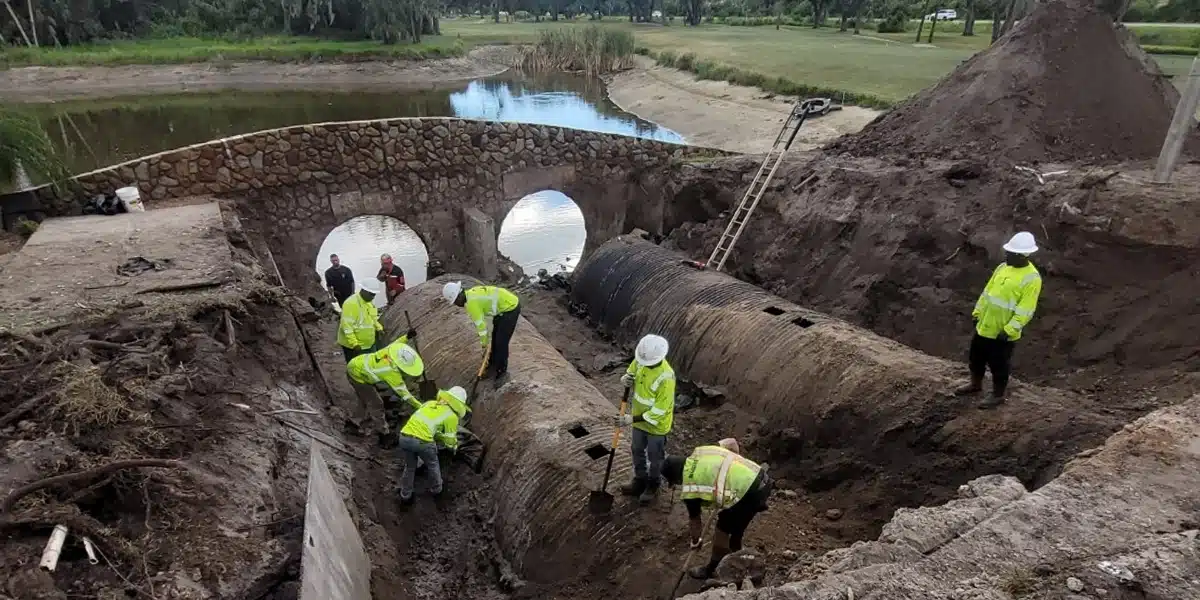
Utility restoration in tight spaces
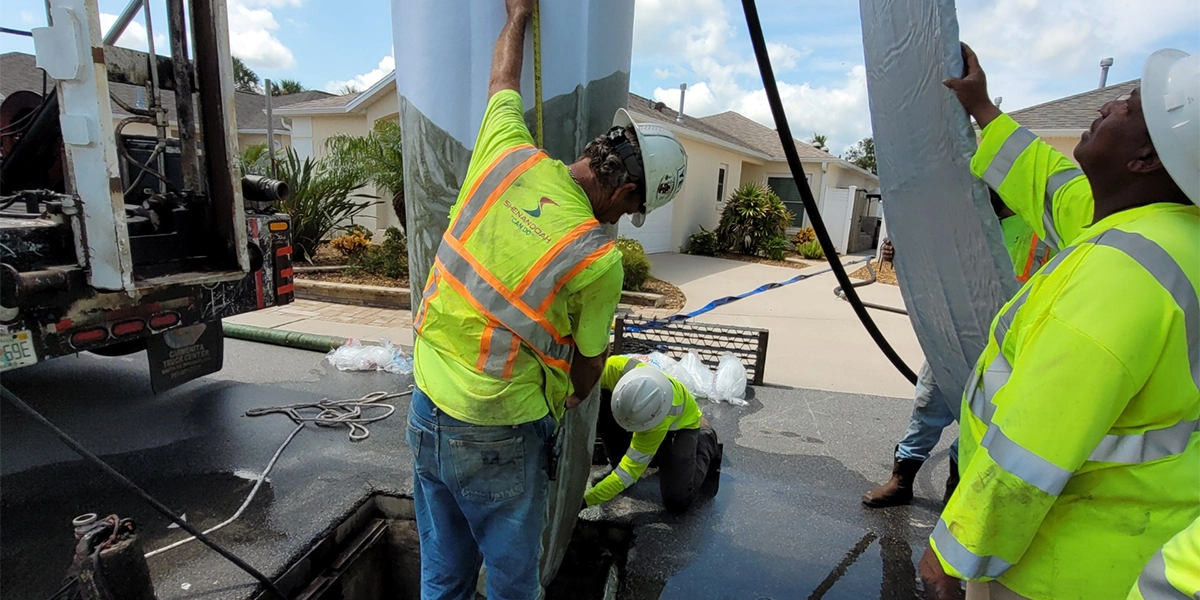
After bad storms, debris and damage can make large equipment impossible to maneuver. Our hydrovac trucks can run flexible hoses up to 500 feet from the vehicle. So even if the truck can’t get close, the excavation can still happen.
Emergency power infrastructure
Power companies working on FEMA-funded storm response contracts use hydrovac trucks on standby specifically because they’re the only equipment allowed in certain substations and power facilities. When heavy machinery isn’t permitted, hydro excavation is the solution.
Storm drain clearing
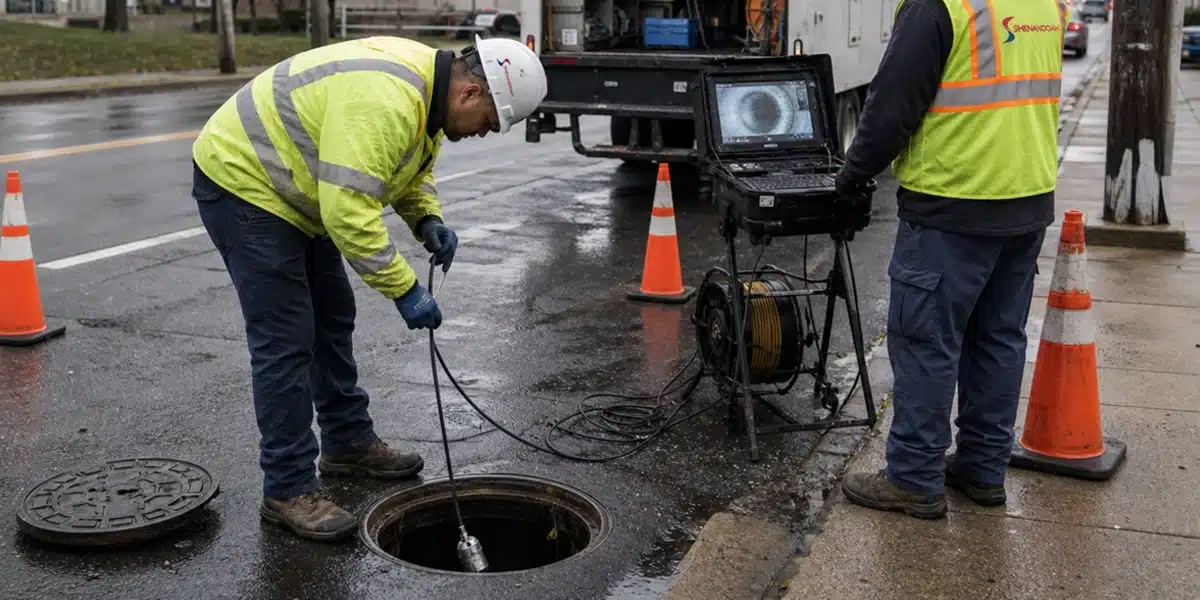
After a hurricane, clogged storm drains are one of the biggest reasons roads stay flooded long after the rain stops. Pairing hydro excavation with high-pressure jetting and CCTV inspection clears blockages quickly and restores water flow.
The Cost of Skipping Hydro Excavation
One utility strike from a traditional excavator can run into the hundreds of thousands of dollars. If you hit a major fiber line, you’re looking at $400,000 in repairs. If you hit a gas main in a flooded area, the consequences go well beyond the budget.
At Shenandoah, hydro excavation is part of a full storm response toolkit alongside CCTV inspection, pipeline jetting, and drainage clearing.
Hurricane season is here, and being ready to dig safely is a huge step toward being storm-prepared.
Ready to talk storm preparedness? Reach out to Shenandoah today.