When a sewer or stormwater pipe fails beneath a busy road, the repair bill extends far beyond
the pipe itself. Crews may need to close lanes, detour traffic, excavate pavement, manage utility
conflicts, restore the site, and respond to the public while the system remains out of service.
That is why the return on investment from trenchless repair deserves a place in annual utility
budgets. The value is not limited to a lower construction price. It also comes from preserving
roads and access, restoring service faster, extending asset life, and directing infrastructure
investment toward the work that addresses actual system risk.
Look Beyond the Excavation Estimate
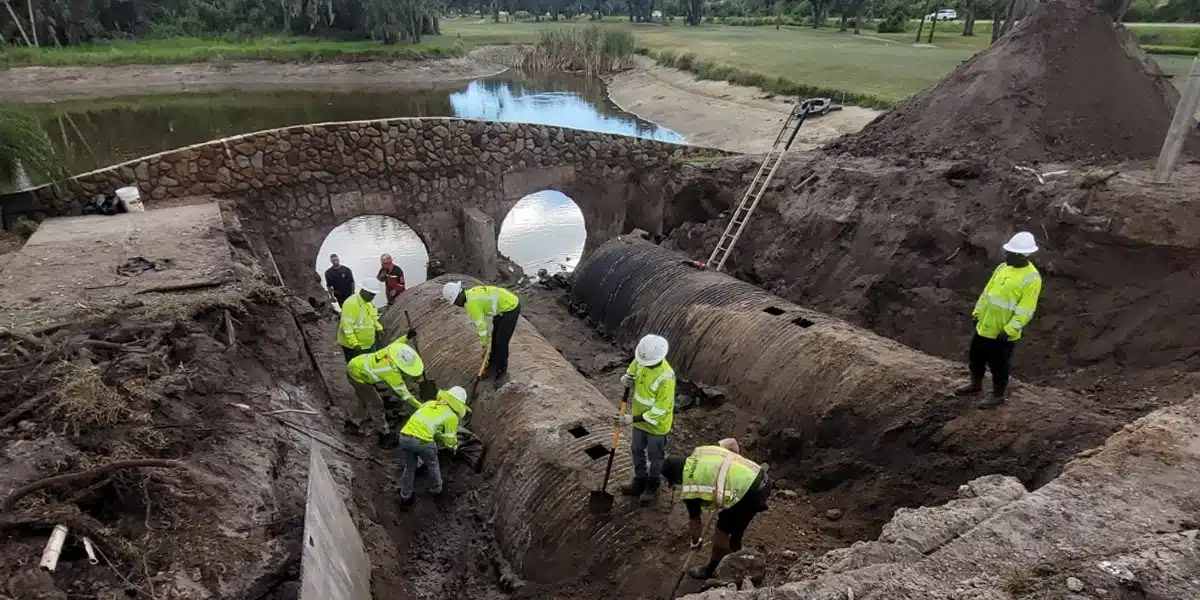
Open-cut replacement can be the right answer in some situations, but it often brings costs that
do not appear in the first estimate. Pavement restoration, traffic control, landscaping, equipment
mobilization, business access, and longer project schedules can all add to the total cost.
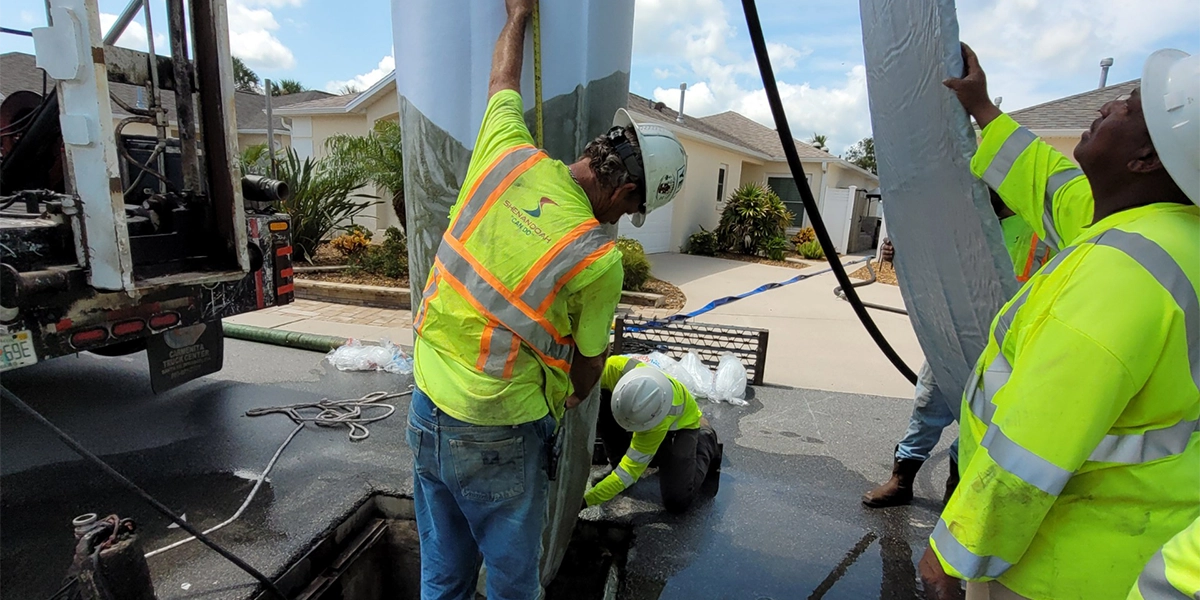
CIPP, or cured-in-place pipe, lets crews rehabilitate a failing pipe from the inside. Shenandoah
installs a resin-saturated liner within the existing pipe, then cures it in place to create a
seamless, corrosion-resistant pipe structure.
For suitable sewer and stormwater applications, CIPP can reduce project costs by 40 to 50
percent compared with conventional dig-and-replace work. It also eliminates much of the
surface restoration that can drive up costs and extend disruption.
Faster Completion Protects Utility Budgets
A repair that stays open for weeks affects more than a project schedule. It can tie up staff,
increase traffic-control needs, add restoration work, and disrupt the general public.
Many CIPP installations can be completed within 24 to 48 hours from setup through final
inspection. Sectional lining and chemical grouting can address localized defects in hours or, for
grouting, in under 30 minutes per defect.
That speed gives cities and utilities a practical way to reduce disruption while maintaining
service. It can also help public works teams plan work around peak traffic periods, sensitive
sites, and operational constraints instead of accepting a prolonged excavation as the only
option.
CIPP Savings Are Lifecycle Savings
The strongest trenchless ROI often appears over time. When properly installed, CIPP provides
a 50-plus-year design life, restoring structural integrity and helping block root intrusion and
infiltration.
Infiltration support matters because groundwater entering cracked pipes or deteriorated
structures can add unnecessary volume to a wastewater system. That additional flow can
increase pumping and treatment demands, placing avoidable pressure on utility budgets.
Trenchless technology gives asset owners options that match the system's condition. CIPP can
provide full-length structural renewal. Chemical grouting can help seal active leaks and stabilize
surrounding soils. SAPL, or spray-applied pipe lining, can rehabilitate larger or more complex
assets, including pipes beyond CIPP's practical diameter range.
Better Data Produces Better Investments
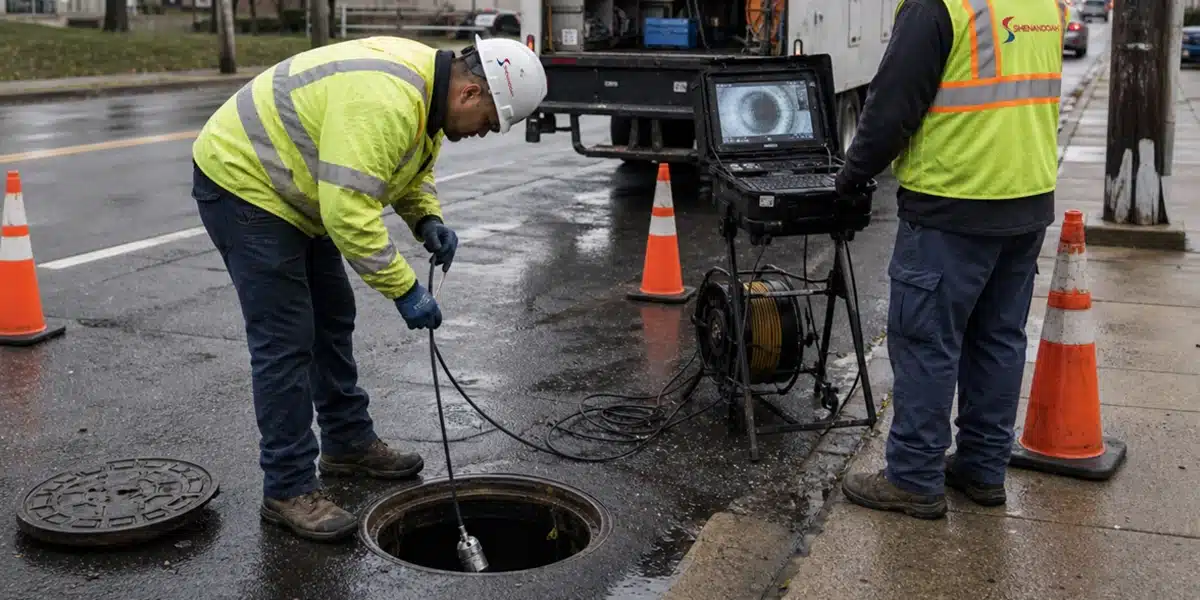
Trenchless repair works best when it begins with a verified condition assessment. CCTV
inspection, cleaning, laser profiling, and GIS-ready reporting help cities see what is happening
underground before committing capital to a repair approach.
That information can help teams distinguish between an asset that needs monitoring, a pipe that
requires targeted repair, and a system that warrants full rehabilitation. It also supports stronger
budget conversations by linking proposed work to accurate documented conditions.
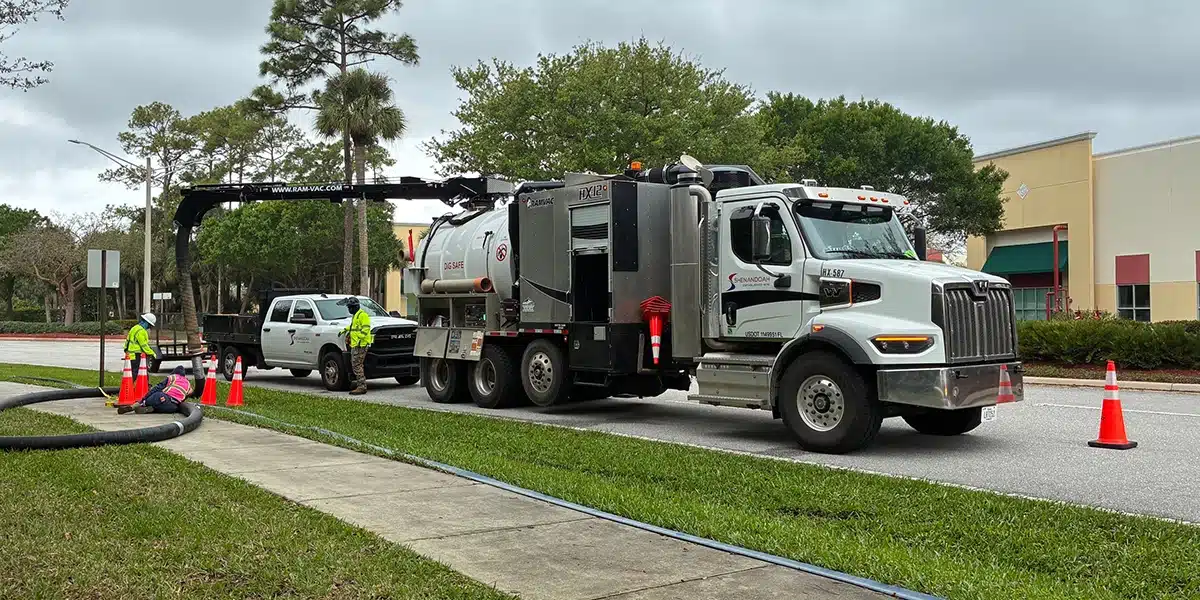
Shenandoah brings cleaning, inspection, assessment, and rehabilitation together under one
accountable team. With Pro-Pipe supporting advanced inspection and GIS-based data and Nu-
Pipe addressing SAPL rehabilitation needs, clients can move from a known condition to a
practical repair plan without handoffs.
Make ROI Part of the Plan
Trenchless repair is not simply a way to avoid digging. It protects infrastructure investment,
reduces avoidable disruption, and extends the useful life of critical sewer and stormwater
assets.
Contact Shenandoah to evaluate your next trenchless repair project.