If you’ve ever managed a property’s stormwater or sewer infrastructure, you know the drill: one contractor inspects the system, another provides the repair estimate, a third handles the actual work, and someone else documents it all for compliance. Each handoff means re-explaining the problem, coordinating schedules, and hoping nothing gets lost in translation.
This piecemeal approach has become so common that many property managers, facility directors, and HOA boards accept it as inevitable. But there’s a better way; understanding the difference between juggling multiple specialists and partnering with a full-service infrastructure contractor can transform how you maintain your property’s critical systems.
The Hidden Costs of the Fragmented Approach
When infrastructure maintenance is divided among multiple contractors, inefficiencies multiply. Communication breaks down between vendors. Documentation gets scattered across different systems. And when something goes wrong, accountability becomes a finger-pointing exercise rather than a solution.
More fundamentally, the reactive “call when something breaks” maintenance culture—common practice when working with separate specialists—costs more over the life of your assets. Emergency repairs are expensive. Unplanned downtime disrupts operations. Without consistent oversight, small issues become major problems before anyone notices.
What “Full-Service” Really Means
A true full-service infrastructure partner handles everything from initial assessment through ongoing maintenance, what we call turnkey infrastructure management. An integrated approach where isolated services work together into a cohesive program that keeps your stormwater and sewer systems running efficiently.
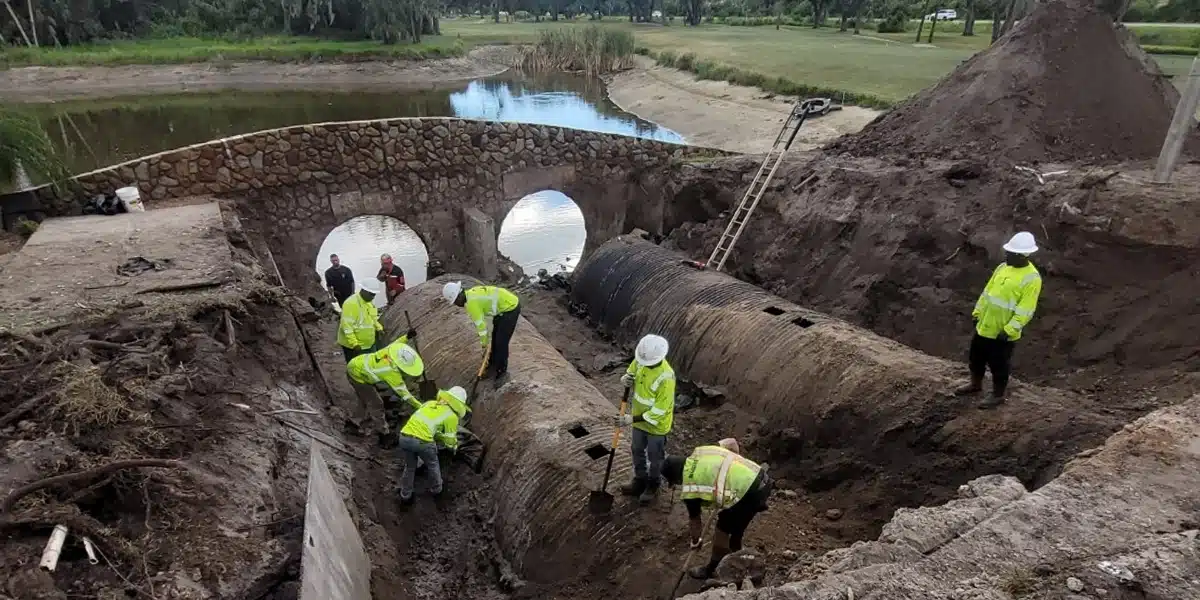
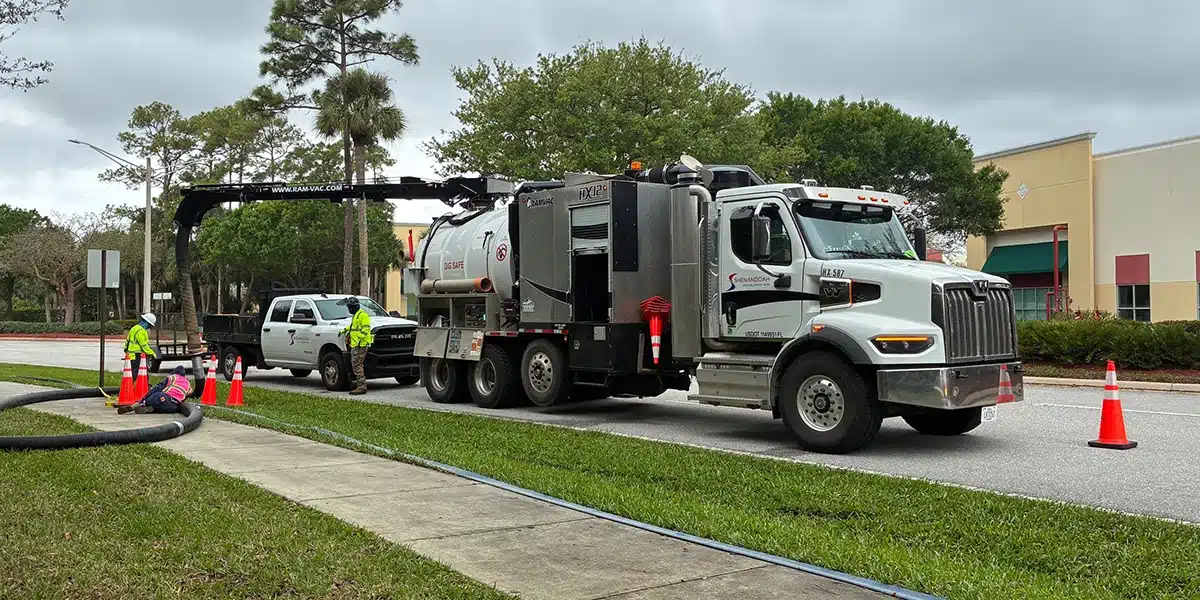
Consider Shenandoah’s IRM Program–Inspection, Restoration, Maintenance–as an example of this integrated approach. Rather than waiting for failures, a full-service contractor systematically inspects your infrastructure, addresses issues before they escalate, and maintains systems on a schedule that extends asset life and reduces total cost of ownership. It’s proactive rather than reactive, planned rather than emergency-driven.
The Tangible Benefits of End-to-End Utility Services
Single Point of Contact and Accountability
When one team handles your entire infrastructure maintenance program, you have only one phone number to call. There’s no need to coordinate between multiple vendors or mediate disputes about who’s responsible for what.
Seamless Transitions from Diagnosis to Solution
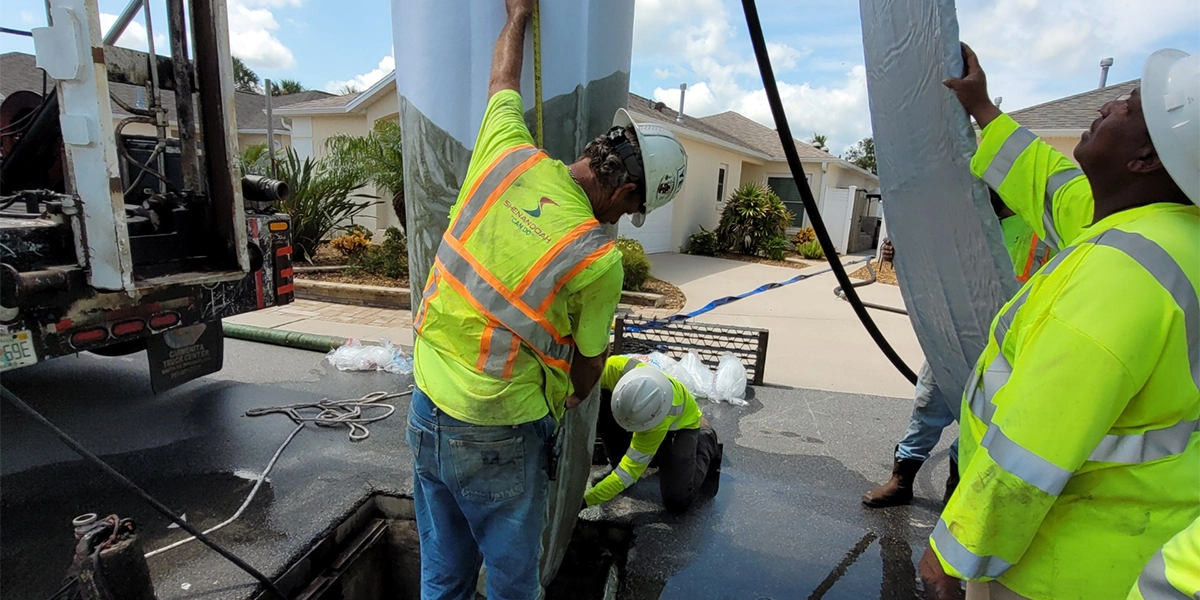
When the same team that inspects your catch basins also performs the cleaning and repairs, nothing gets lost in translation. They’ve already seen the problem firsthand, understand the full scope, and can move directly to solutions without redundant site visits or re-assessments.
Comprehensive Documentation in One Place
Compliance reporting, maintenance history, and system condition data all live in one integrated record. This makes regulatory compliance simpler, helps with long-term planning, and ensures institutional knowledge doesn’t walk out the door when a vendor relationship ends.
Faster Response and Reduced Downtime
A full-service contractor already knows your systems intimately. When issues arise—even emergencies—they can respond faster because they’re not starting from scratch, asking the real questions rather than the diligence that should’ve already been completed. This minimizes disruption to your operations and reduces the business impact of infrastructure problems.
Predictable Costs and Better Budget Control
Programmatic maintenance through a single partner makes costs more predictable. You can plan capital expenditures more effectively, stretch every maintenance dollar further, and avoid the premium pricing that comes with emergency repairs.
A Problem-Solving Culture That Makes All the Difference
Beyond the operational advantages, working with a one-stop contractor means partnering with a team invested in solving your infrastructure challenges holistically. Rather than simply executing tasks to move on to the next customer, a full-service partner helps you rework your maintenance program from the ground up, optimizing for long-term asset health and cost efficiency.
This problem-solving culture that is focused on keeping things running, minimizing disruption, and reducing cost over the life of your assets, represents a fundamental shift from transactional vendor relationships to strategic partnerships.
Making the Shift
If you’re still coordinating multiple contractors for your stormwater and sewer infrastructure, consider what a comprehensive service approach could mean for your property. The right full-service infrastructure partner helps you operate at the highest optimal level while protecting your long-term investment in critical systems.
Ready to learn how a programmatic approach can transform your infrastructure maintenance? Discover Shenandoah’s IRM Program and see what true end-to-end utility services look like in practice.