
Infiltration Damages More Than Pipes
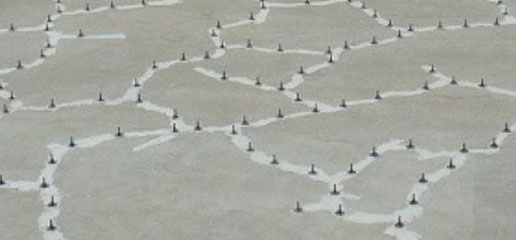
It overloads treatment plants, increases pumping costs, and washes soil into voids that lead to subsidence and sinkholes.
Over time, separated joints, hairline cracks, and deteriorating connections allow groundwater to seep into sanitary and stormwater systems. While excavation disrupts operations and tears up surfaces to fix pipes, chemical grouting creates a permanent, watertight seal all while the pipe remains in service.
Stop Chasing Leaks. Seal Them Permanently.
Before: Expensive, Disruptive, Never-Ending
Conventional repair requires excavating to each failure point, patching or replacing sections, then backfilling and restoring surfaces. For pipes with multiple leaks, this becomes prohibitively expensive. And even after repair, adjacent joints remain vulnerable.
After: Precision Sealing Without Digging
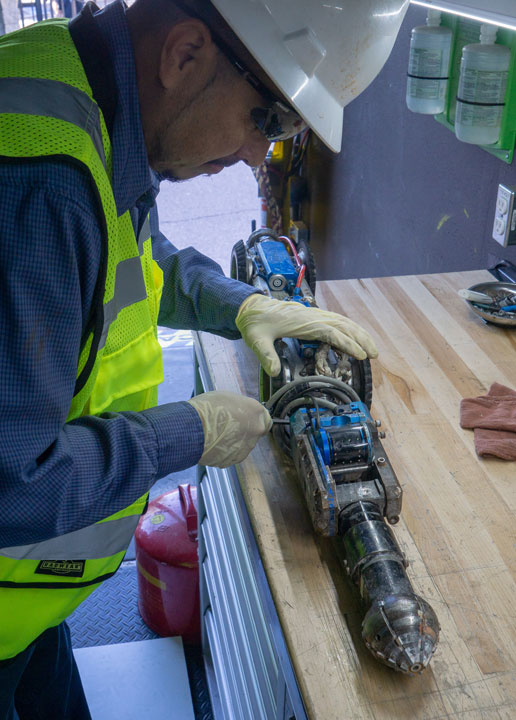
After CCTV inspection verifies pipe integrity, inflatable packers isolate the leak zone. Polyurethane grout is injected under pressure, penetrating cracks and surrounding soil. Within 20-25 minutes, it cures into a flexible seal that stops infiltration and stabilizes ground—no excavation, no surface disruption.
Sealing That Fits the Bigger Picture
Chemical grouting works best as part of complete rehabilitation. CCTV inspection determines which pipes need sealing versus lining or replacement. For pipes receiving CIPP or slip lining, grouting is applied first to create watertight conditions that ensure proper liner installation.
Stop Infiltration. Stabilize Soil. Extend System Life
Chemical grouting delivers permanent leak repair with minimal disruption and a fraction of the cost of excavation-based methods.
Stop Groundwater from Overloading Systems
Infiltration and inflow (I&I) force treatment plants to process water that shouldn’t be there—driving up energy costs, reducing capacity, and triggering regulatory issues. Chemical grouting seals leak points at joints, cracks, and lateral connections, eliminating infiltration at its source and restoring system efficiency.
Stabilize Ground Around Pipes
Groundwater flowing into pipes carries soil particles with it, creating voids that lead to settlement, sinkholes, and pavement failure. Chemical grouting fills these voids while sealing the leak, stabilizing soil, and preventing surface collapse without excavation or compaction work.
Repair Without Replacement
Pipes with separated joints or minor cracking are often structurally intact—they just aren’t watertight. Chemical grouting restores seal integrity without the cost or disruption of replacement, extending service life for decades while preserving the existing infrastructure investment.
Create Watertight Conditions for Liner Installation
Groundwater seeping through joints can interfere with liner adhesion and curing. Chemical grouting applied before lining creates a dry, stable environment that ensures proper installation and long-term performance—preventing the conditions that cause liners to fail prematurely.
Minimal Downtime, Maximum Efficiency
Chemical grouting projects are completed quickly. Grout cures in 20-25 minutes, allowing systems to return to service the same day. No excavation. No surface restoration. No extended project timelines that disrupt operations or strain budgets.
Infrastructure Restored, Disruption Avoided
Explore how our chemical grouting eliminates infiltration, stabilizes soil, and extends system life without the cost and chaos of excavation.
Tap Into Total Peace of Mind
When you know you have an all-in-one partner who has your back (and your infrastructure), you face the future with confidence.