
Expose utilities without damage. Work safely without guesswork.
Underground utilities rarely sit exactly where maps say they do. Mechanical excavation relies on approximate locate tickets and blind digging, making strikes on gas, fiber, water, or electric lines a constant risk.
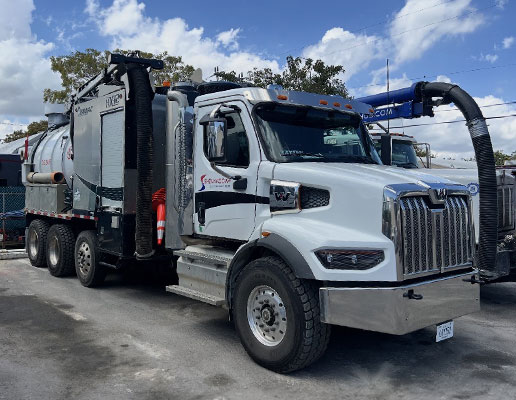
One wrong pass can shut down services, trigger emergency repairs, and derail schedules. Hydro excavation uses specialized equipment to loosen and remove excess soil, exposing utilities without direct contact.
Pin-Point Accuracy Starts Here
Expose utilities without damage. Work safely without guesswork.
Underground utilities rarely sit exactly where maps say they do. Mechanical excavation relies on approximate locate tickets and blind digging, making strikes on gas, fiber, water, or electric lines a constant risk.
One wrong pass can shut down services, trigger emergency repairs, and derail schedules. Hydro excavation uses specialized equipment to loosen and remove excess soil, exposing utilities without direct contact.
From Mechanical risk to Precise Exposure
Before: High Risk, High Cost When Things Go Wrong
Mechanical excavation moves fast but without visibility. Depths vary, records are outdated, and unmarked lines exist. When strikes happen, work stops while repairs, investigations, and liability assessments follow.
After: Excavation With Total Control
Shenandoah’s Hydro excavation process safely and precisely exposes underground infrastructure while minimizing disruption to surrounding soil. The result is a cleaner site and projects that keep moving forward.
Excavation, Inspection, and Construction All Under One Roof
Shenandoah's teams use potholing (daylighting) to verify utility locations before trenching, boring, or construction begins to confirm, identify conflicts, and allow design adjustments before equipment mobilizes. This helps eliminate mid-project surprises that delay timelines and inflate costs.
Helpful Resources
Frequently Asked Questions
Hydro excavation delivers safe, precise soil removal that eliminates the equipment strikes, safety incidents, and service disruptions that mechanical methods create.
Equipment strikes on gas lines, fiber optic cables, water mains, or electrical conduit trigger emergency responses, service outages, and regulatory investigations. Hydro excavation exposes utilities without contact, eliminating strikes that halt projects, disrupt communities, and generate liability claims that exceed excavation costs by orders of magnitude.
Mechanical excavation creates trench cave-in risks, electrocution hazards from severed lines, and confined space dangers. Hydro excavation operates from the surface with controlled water pressure, keeping workers out of trenches until utilities are exposed and verified safe. This eliminates the safety incidents that trigger OSHA investigations and project shutdowns.
Mechanical equipment requires access space, swing radius, and maneuvering room that aren’t available near buildings, active roadways, or congested utility corridors. Hydro excavation trucks position at a distance and extend hoses to work areas, accessing tight locations where backhoes can’t operate without damaging adjacent infrastructure or disrupting traffic.
Locate tickets show approximate positions — not exact depths, orientations, or unmarked lines installed after records were created. Hydro excavation potholing exposes utilities at proposed crossing points before boring or trenching begins, confirming locations and allowing design adjustments that prevent conflicts discovered mid-project when costs multiply.
Mechanical trenching disturbs wide areas, compacts soil, and requires extensive backfill and compaction to restore original conditions. Hydro excavation removes only the soil necessary to expose utilities, creating narrow excavations that minimize disturbance. Extracted material can be returned as backfill, reducing material costs and restoration timelines.
Utility strikes halt projects while emergency repairs complete and investigations determine fault. Delays cascade through schedules, idling crews and equipment while owners absorb costs. Hydro excavation prevents strikes that stop work, keeping projects on timeline and eliminating the delays that turn minor excavations into major budget overruns.